Garage doors for Hartland and Lake Country, Wisconsin

(000) 000-0000
Hartland Garage Door Service
(000) 000-0000

Residential service

Garage Door Maintenance in Hartland, Wisconsin

A well-made garage door will give decades of service, but only if it is looked after. Maintenance is modest in cost and effort, and it is the surest way to avoid a failure at an inconvenient hour.

(000) 000-0000
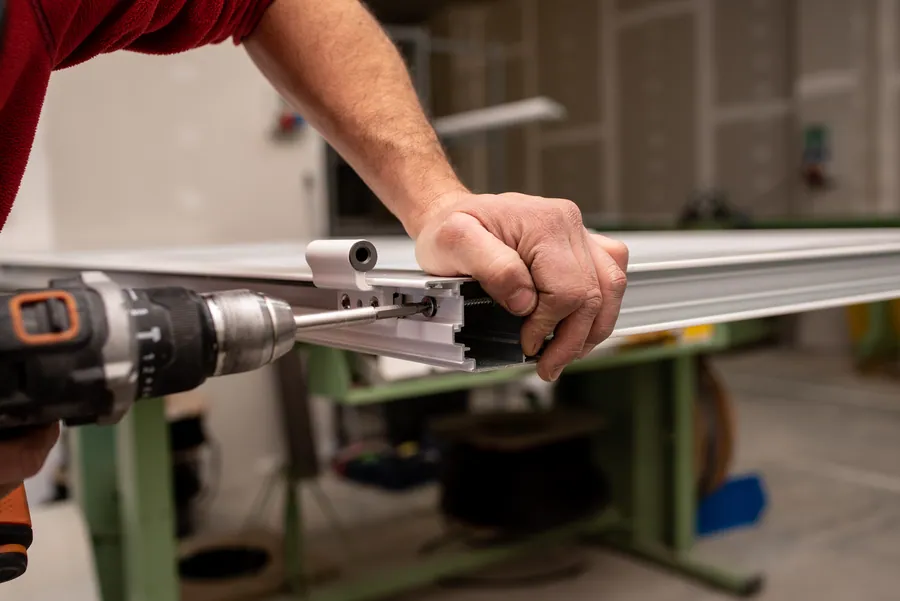
Hands fastening door hardware with a cordless drill on a workbench
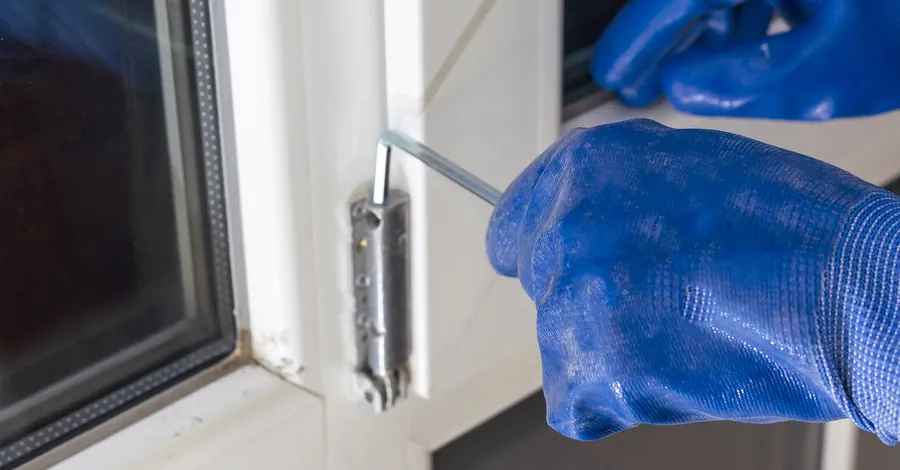
Gloved hand adjusting a hinge with a hex key
Recommended interval
Annually
Preferred season
Early autumn
Scope
Door, hardware, and operator

The case for regular service

A residential garage door completes something on the order of fifteen hundred cycles in a year. Each cycle flexes the springs, turns every roller, works every hinge, and loads the cables. The parts are robust, yet none of them is permanent, and their wear is gradual enough to pass unnoticed until one of them gives way.

Maintenance serves three ends. It keeps the door safe, since the counterbalance stores considerable energy and its components should be inspected by someone who knows what a failing cable or a fatigued spring looks like. It extends the life of the door and, particularly, of the operator, which is the first casualty of a door left out of balance. And it allows repairs to be made at a time of the owner’s choosing.

What our inspection covers

We work through the door in a fixed order. The list below is the full scope of a maintenance visit.

Component What we examine What we do
Balance Door tested by hand at three heights with the operator disconnected Adjust spring tension where the door drifts
Springs Corrosion, gaps, distortion of the coils Lubricate. Advise on remaining life.
Cables Broken strands, rust at the lower ends, seating in the drums Report any deterioration. Replace if agreed.
Drums and bearings Cracks, wear in the grooves, roughness or play Lubricate bearings. Note any that are failing.
Rollers Free rotation, wobble, flat spots Lubricate where the type requires it
Hinges Cracks, elongated pivot holes Tighten fasteners. Lubricate pivots.
Track Plumb, level, spacing, security of fasteners Tighten and correct alignment. Clean the running surfaces.
Sections Bowing, cracked stiles, corrosion at the bottom rail Tighten struts and brackets. Report damage.
Seals Flexibility and contact at the floor, jambs, and header Adjust stops. Advise on replacement.
Operator Travel limits, force, mounting, drive condition Adjust. Lubricate the rail where specified.
Safety systems Photoelectric sensors and contact reversal Test both. Realign sensors as needed.
Controls Wall station, remotes, exterior keypad Test. Note weak batteries.

At the close of the visit, we give the owner a short account: what is in good order, what has been adjusted, and what will want attention in the coming year or two. No further work is undertaken without agreement.

The operator is the first casualty of a door left out of balance.

What the owner may do between visits

A few simple observances, none requiring tools, will keep an owner informed of the door’s condition.

Each month

Watch the door through one full cycle from inside the garage. Its movement should be even, and its sound should be familiar. Look along the cables for any fraying, and at the springs for gaps or heavy rust.

Each season

Test the safety systems. Pass an object through the beam of the photoelectric sensors while the door is closing, and the door should stop and reverse. Then lay a length of two-by-four flat on the floor beneath the door and close it. On meeting the timber, the door should reverse. If either test fails, the operator’s close function should not be used until it has been corrected.

Twice a year

Lubricate the moving parts with a product made for garage doors, of either the silicone or the lithium type. Apply it sparingly to the hinge pivots, to the bearings of steel rollers, along the springs, and to the bearing plates at the ends of the spring shaft. Do not lubricate the track. It should be wiped clean and left dry, since a greased track gathers grit and encourages the rollers to slide.

Each autumn

Close the door and look for daylight at its edges. Press the bottom seal between finger and thumb. If it has hardened or cracked, it should be renewed before winter.
Before and after

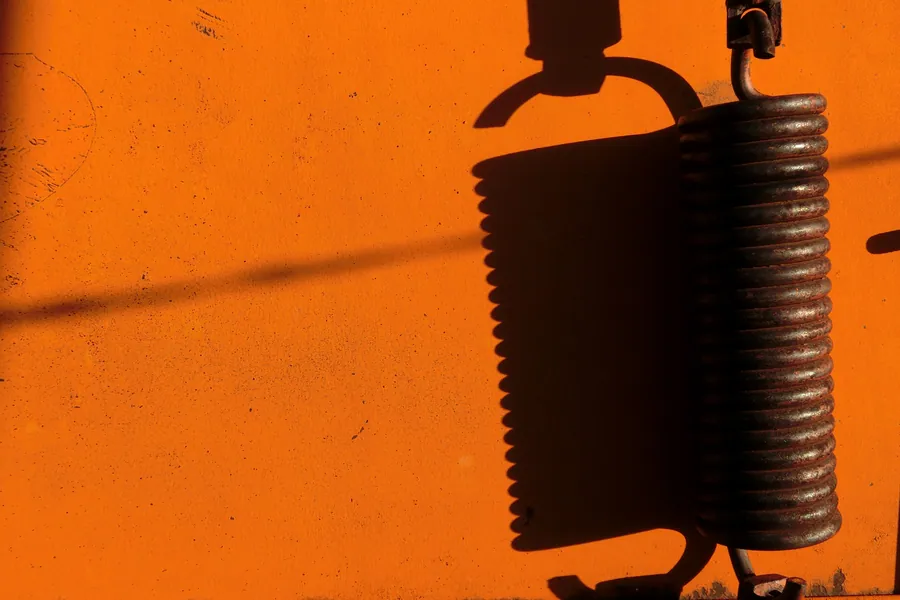
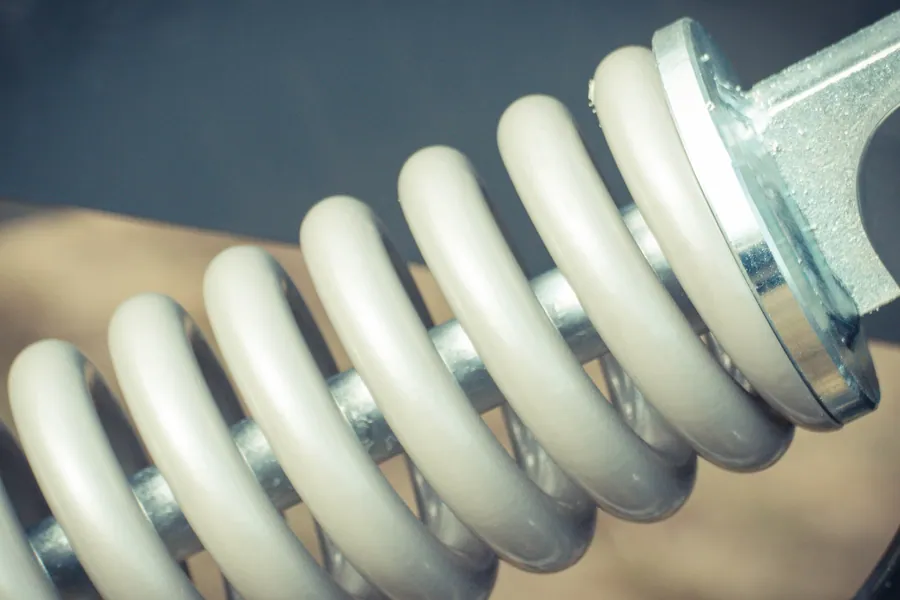
A corroded spring and a spring in good order

The before image shows an extension spring that has plainly gone unattended: the coils are coated in rust, and the fittings from which it hangs are corroded as well. A spring in this condition has lost a measure of its strength, and each pit in the wire is a place where a fracture may begin.

The after image shows a spring with a clean protective coating and bright, sound fittings. This is the condition that regular maintenance preserves. Lubrication keeps moisture from the steel, inspection identifies weakening before failure, and a replacement, when it is needed, is made on the owner’s schedule. A door so maintained operates smoothly and places far less strain on its operator.

BeforeBefore: Rusted extension spring hanging from corroded steel
AfterAfter: Clean coated coil spring with bright fittings
Illustrative comparison using licensed stock photography. It shows the kind of change this service makes and is not a documented customer project.

A calendar for Lake Country

The seasons in Waukesha County are distinct enough to set the rhythm of maintenance.

Early autumn is the time for the annual inspection. Springs that have weakened over the summer are identified before the cold, which is when they are most likely to fracture. Seals are checked while it is still warm enough for new ones to be fitted easily.

Late autumn is the time to replace the batteries in remotes and keypads, which lose capacity in the cold, and to confirm that the manual release is understood by everyone in the household. Winter storms interrupt the power from time to time.

Through the winter, the threshold should be kept clear of packed snow and ice. Meltwater that drains from a parked vehicle toward the door will freeze the bottom seal to the floor overnight. If the door does not move at the first attempt on a cold morning, the operator should not be pressed a second time. Free the seal by hand first.

In spring, the lower sections, the bottom brackets, and the base of the track should be rinsed to remove the season’s salt, and the door lubricated again.

In summer, the door may be washed with mild soap and water, and any chips in the finish touched in before they rust.

The expected life of the parts

It is helpful to know roughly when each component is likely to need renewal.

  • Springs: about ten thousand cycles in the standard grade, which is commonly five to seven years in a household that uses the garage as its principal entrance. Springs of higher cycle rating are available.
  • Rollers: plain steel rollers, five to seven years. Nylon rollers on sealed bearings, considerably longer.
  • Cables: often the life of two sets of springs in a dry garage, and much less where salt and standing water are present.
  • Bottom seal: five to ten years, depending on exposure and the condition of the floor.
  • Operator: ten to fifteen years is typical, and longer on a door kept in balance.
  • Steel sections: twenty to thirty years where the finish is maintained.

Wood doors require more

A wood door is a different undertaking. Beyond the mechanical inspection, its finish must be maintained. Paint or stain should be examined each year, with particular attention to the bottom rail and to the south and west faces, and renewed before the timber beneath is exposed. All six sides of each section should be sealed. Our page on custom wood garage doors gives a fuller account.

Maintenance for commercial and agricultural doors

Doors on commercial premises and farm buildings work harder and in rougher conditions. A dock door may cycle fifty times a day, and a machine shed door may stand unheated and unattended for months. Both benefit from scheduled service, at intervals set by use. For rolling fire doors, periodic inspection and drop testing are a requirement, and are discussed under commercial fire doors.

When the inspection finds a fault

Should a maintenance visit reveal a part that ought to be replaced, we explain what we have found and what it would cost to put right. Many such repairs can be completed on the same visit. The work is described under garage door repair, and faults in the opener under garage door opener repair.

Questions and answers

Questions about maintenance

How often should a garage door be serviced?

Once a year suits most households. Doors in very frequent use, and all commercial doors, warrant more frequent attention.

What is the best time of year?

Early autumn. Weak springs and hardened seals can then be dealt with before the cold weather that tends to expose them.

Which lubricant should be used?

A silicone or lithium spray formulated for garage doors. Heavy grease should be avoided, as should general-purpose penetrating oils, which do not last.

Can maintenance prevent a spring from breaking?

Not indefinitely, since springs have a finite life. It slows corrosion and reveals declining tension, which allows the springs to be replaced before they fail.

Is maintenance worthwhile on a new door?

Yes, after the first year. Fasteners settle, and spring tension may need slight correction.

Does the inspection include the opener?

It does. Travel, force, the condition of the drive, and both safety reversing systems are checked on every visit.

Estimates in Hartland and Lake Country

Arrange a seasonal inspection.

Describe the door, the building, and what you would like done. We will reply with any questions and arrange a time to measure or inspect.

(000) 000-0000

Your details are used only to respond to this request.

Call